
Glide Beside the Water: Step-Free Canal Walks with Welcoming Cafés
Planning Beside the Towpath

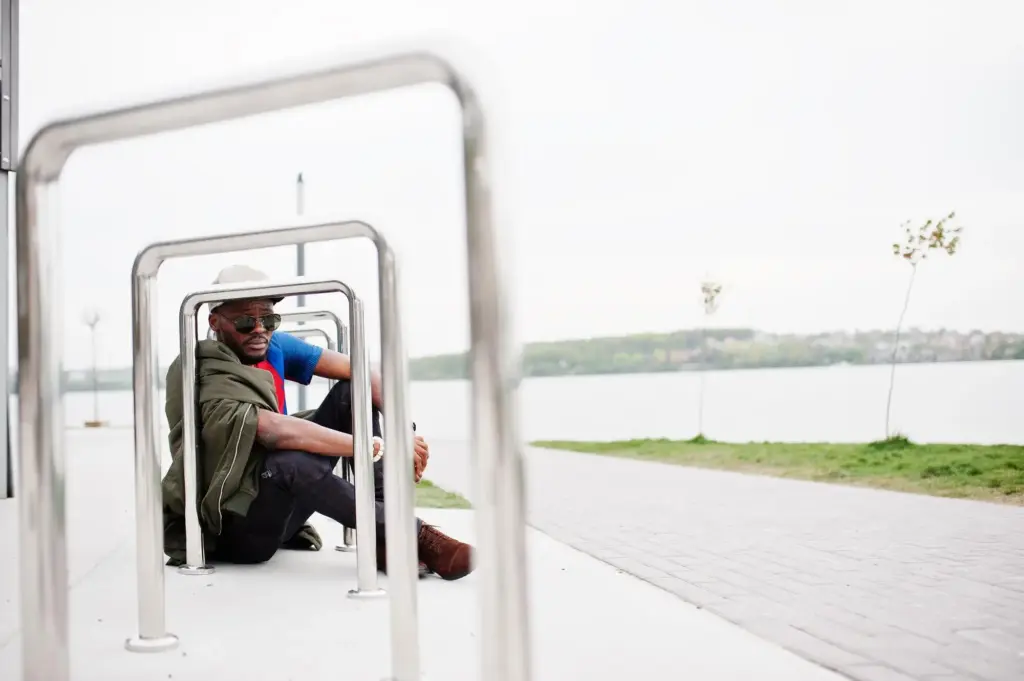
Waterside Stories and Gentle Itineraries
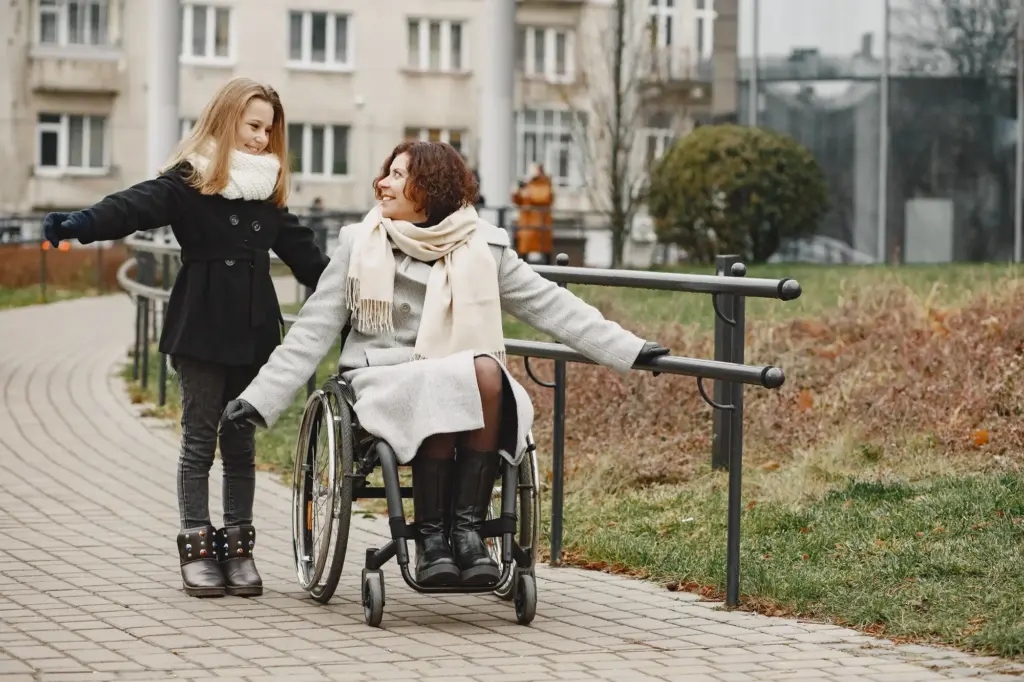
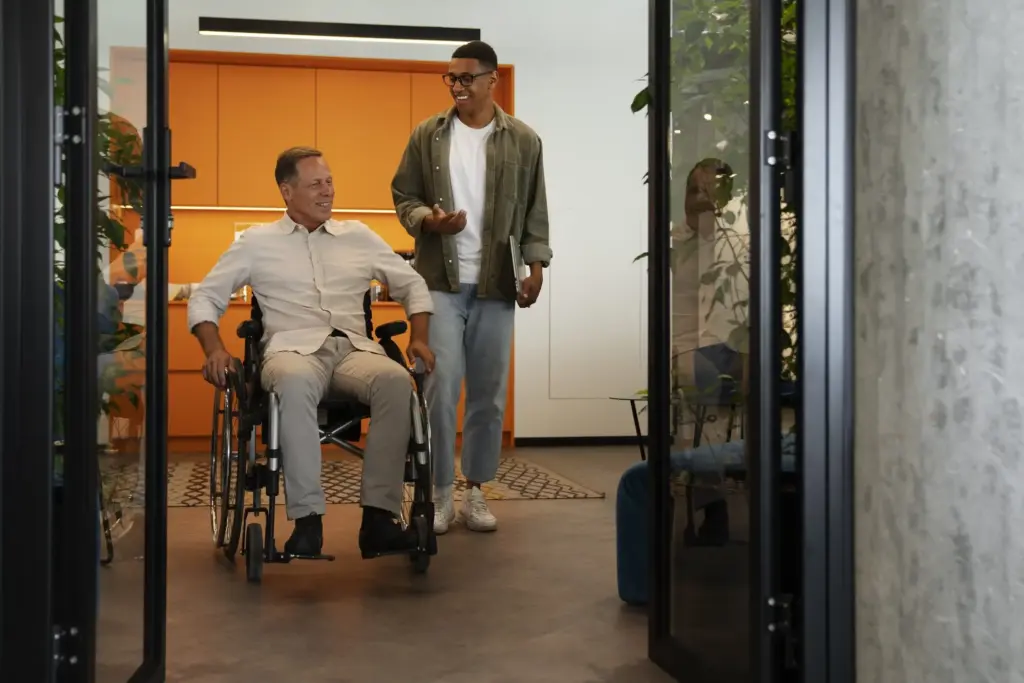
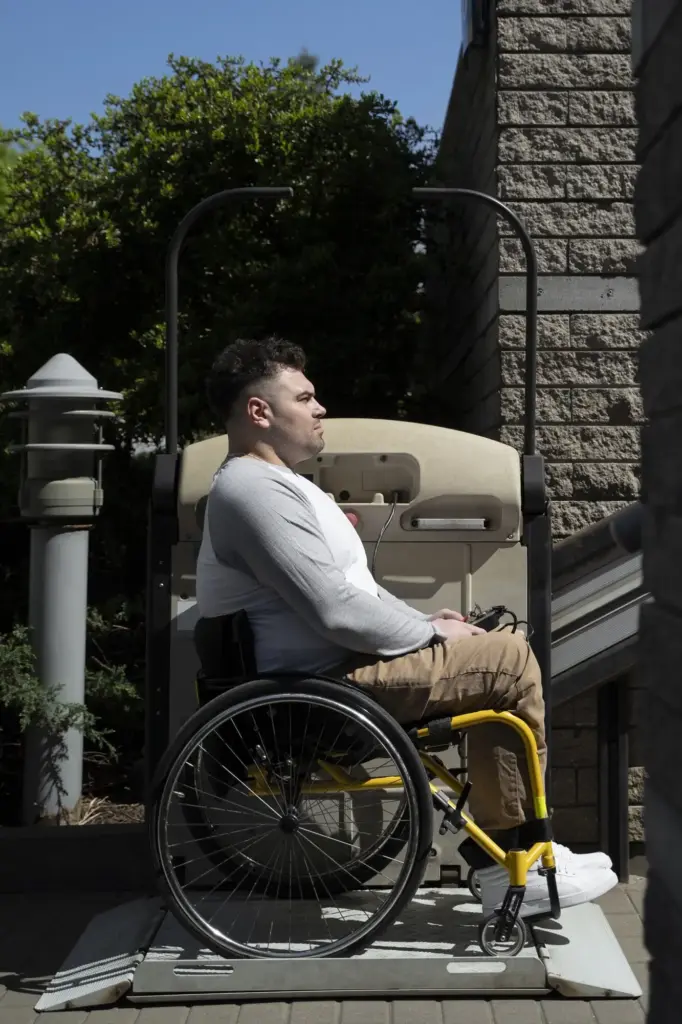
Smooth Sailing: Safety and Comfort
Pack for Weather, Pace, and Pauses
Layer clothing for breezes off the water, bring sun cover, and charge devices for mapping and communication. Consider compact cushions, gloves for push rims, and blankets for longer rests. Hydration, snacks, and backup café choices keep spirits high if plans shift.
Share the Path with Kind Clarity
Sound a bell or call out politely when overtaking, and thank others who make space. Keep dogs close near wildlife. Cyclists, chairs, and walkers flow best when everyone predicts lines, signals early, and remembers that unhurried enjoyment matters more than speed.
Confidence Around Locks and Water
Locks and narrow edges deserve respect, not fear. Keep safe distances, allow space for anglers, and pause before tight corners. If someone needs support, ask permission first, then assist steadily, avoiding sudden pulls that can unbalance chairs or startle tired walkers.
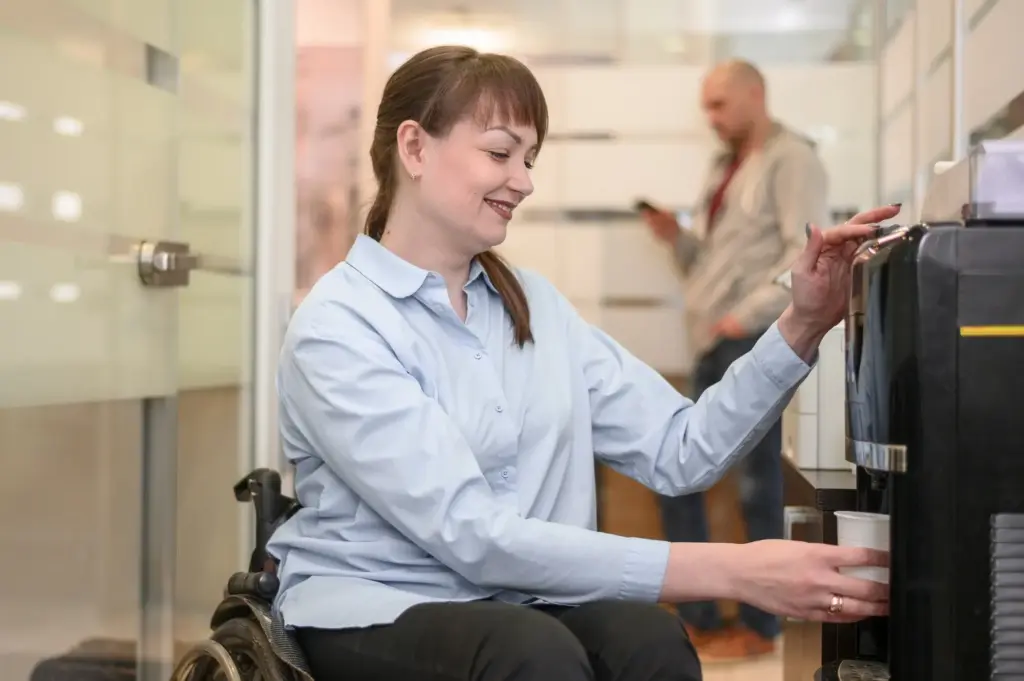
Plan with Inclusive Platforms
Cross-reference Canal and River Trust advisories with community forums, wheelchair-access review sites, and open-data maps. Tag step-free entries and toilet availability, then export waypoints. Screenshots of critical ramps and crossings help everyone recognize landmarks quickly when energy dips or daylight fades.
Stay Connected, Even Offline
Download regional basemaps, save café details, and store PDFs of diversion notices. Portable chargers keep phones alive for navigation, taxis, or assistance calls. If coverage fails, prearranged meeting spots and printed notes prevent worry and keep the group feeling supported.
Accessibility Checklists that Work
Create a repeatable list: surface notes, entrance widths, restroom details, and quiet seating preferences. Share it with companions, then refine after each outing. Consistency reduces surprises, builds collective memory, and turns spontaneous invitations into relaxed, inclusive strolls along familiar waters.